EHuibao Empowers a New Medical Risk Control Model with Specialized Exchange at Kaifeng People's Hospital
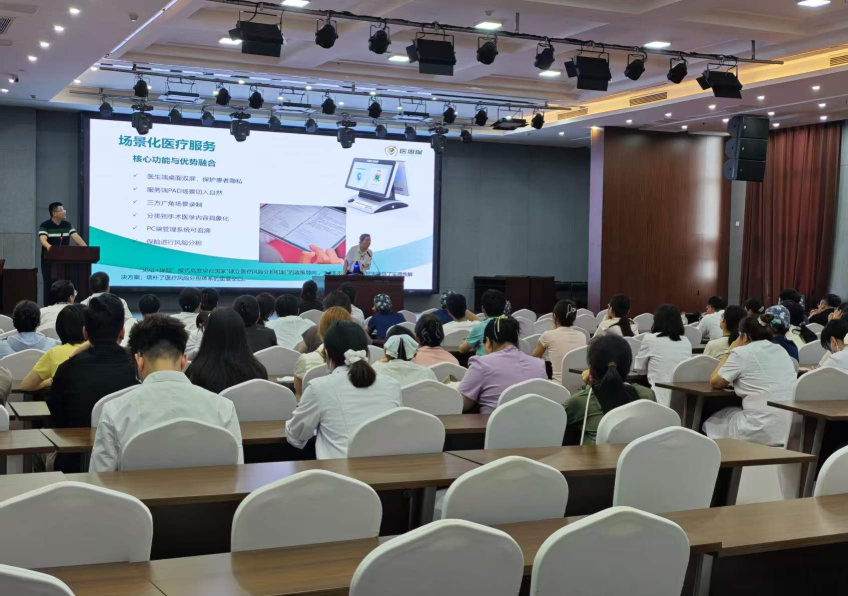
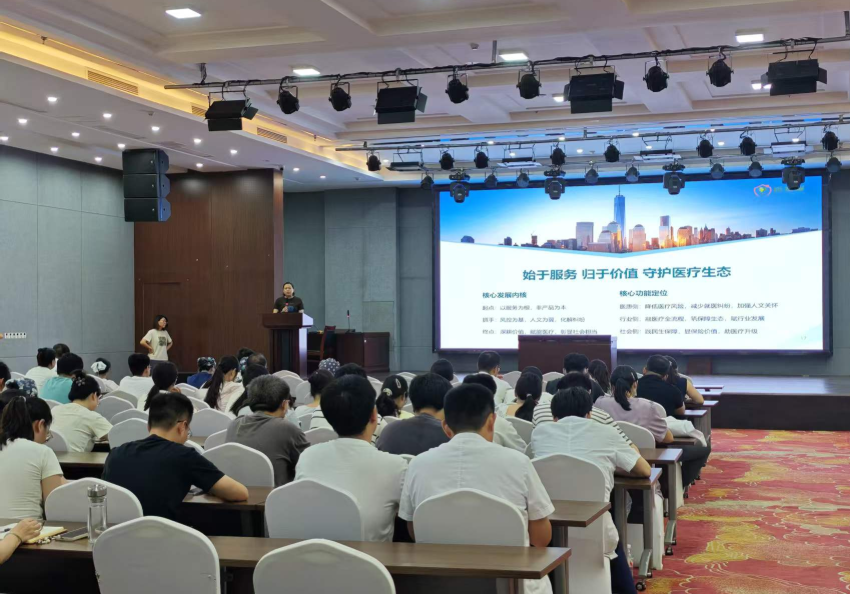
On July 23, 2026, Wang Bingkun, Deputy General Manager of EHuibao (Wuhan) Hospital Management Co., Ltd., and his delegation visited Kaifeng People's Hospital for a special exchange and sharing session on medical risk management. Facing hospital leaders, department directors and clinical medical staff, the team gave a detailed introduction to the integrated solution combining pre-surgery third-party risk witnessing and socialized risk sharing via surgical accident insurance, delivering innovative practical ideas for the hospital to resolve doctor-patient disputes at the source and implement refined risk management.
Medical institutions are currently plagued by widespread challenges including difficulties in evidence retention for preoperative informed consent, mismatched expectations between doctors and patients, high costs for dispute resolution, and heavy occupational pressure on medical workers. Relevant statistics indicate that over 80% of medical disputes stem from inadequate doctor-patient communication rather than technical medical errors. In accordance with the Practicing Physician Law and national policies on socialized medical risk sharing, the traditional post-incident dispute resolution model can no longer meet the development needs of the healthcare industry. The three-in-one risk control model adopted by Beijing Jishuitan Hospital has verified the practicability and effectiveness of this innovative solution.
The risk prevention and control solution presented at the forum establishes a full-process closed-loop management system. It preserves complete audio and video records of preoperative communication to secure valid evidence, standardizes the informed consent process and acts as a communication bridge between medical staff and patients through a neutral third party. Complemented by voluntary enrollment in surgical accident insurance, the solution provides socialized comprehensive coverage for accidental medical risks. Importantly, it never interferes with clinical diagnosis and treatment or enforces insurance purchases for patients. Supported by patented technologies, a standardized publicity and education system and integrated service delivery capacity, the solution has been deployed in numerous medical institutions across multiple provinces and cities nationwide.
Proven successful cases have already been implemented in Kaifeng. Pilot outcomes at Huaihe Hospital of Henan University and Xiangfu District No.1 People's Hospital have been recognized through research conducted by the Kaifeng Municipal Health Commission, which will greatly cut the trial run-in costs for Kaifeng People's Hospital. Tailored to high-risk departments such as Orthopedics and Neurosurgery of the hospital, the solution will be rolled out in three phases: pilot implementation, full-scale promotion and regularized operation, transforming perfunctory signature confirmation for informed consent into substantive risk notification.
Q&A sessions clarified that the third-party witnessing service only conducts objective evidence archiving without liability determination, with dedicated professional teams delivering full-cycle services to ease the workload of clinical medical personnel. Going forward, Kaifeng People's Hospital will organize cross-departmental seminars and assessments to actively explore refined medical risk management approaches and facilitate the construction of harmonious doctor-patient relationships.